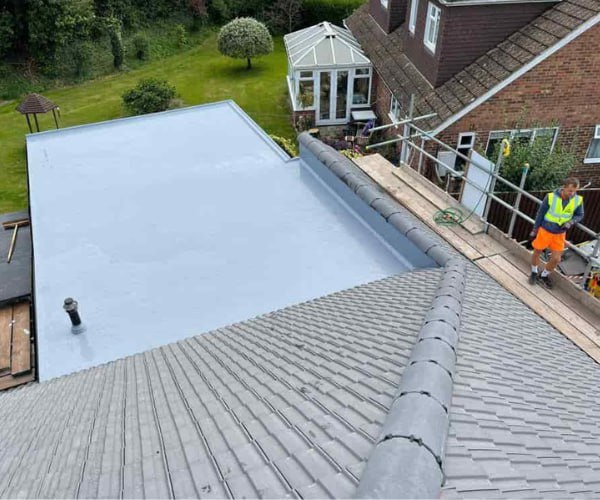
What Happens During a Professional Re-Roofing Project?
A roof plays an essential role in protecting a property from rain, wind and changing weather conditions. Over time, however, roofing materials can deteriorate, fixings can weaken and repeated repairs may no longer provide a reliable long-term solution. When the existing roof has reached the point where extensive work is needed, a professional re-roofing project can restore its condition and improve the protection it provides.
For homeowners in Newport Pagnell, Buckinghamshire, understanding what happens during a re-roofing project can make the process easier to plan. From the initial inspection to the final checks, each stage requires careful preparation and skilled workmanship to achieve a durable, weather-resistant finish.
Initial Roof Inspection and Assessment
A re-roofing project begins with a detailed assessment of the existing roof. A roofing contractor examines the condition of the tiles or slates, ridge tiles, flashing, roofline and other visible components to identify signs of deterioration.
The inspection also helps determine whether the existing roof structure and supporting timbers are suitable for the proposed work. Issues such as damaged battens, deteriorated felt, timber decay or previous poor repairs may need to be addressed before new materials are installed.
This assessment is important because it establishes the scope of the project and helps prevent hidden problems from being overlooked.
Planning the Re-Roofing Work
Once the roof has been assessed, the work can be planned around the property’s requirements. This includes selecting suitable roofing materials, identifying which components need replacing and organising the sequence of installation.
The choice of tiles or slates should take account of the roof’s design, pitch and existing structure. Underlay, battens and ventilation arrangements also need consideration to ensure the completed roof performs as intended.
Good planning helps keep the project organised and ensures that the necessary materials and equipment are ready before work begins.
Removing the Existing Roofing Materials
The next stage usually involves carefully removing the old tiles or slates, along with worn battens and deteriorated underlay where replacement is required.
This exposes the underlying roof structure, allowing the contractor to inspect areas that were previously concealed. Any damaged or unsuitable components can then be identified and dealt with before the new roofing system is fitted.
Removing old materials in a controlled manner is important for maintaining a safe and organised working area. It also provides an opportunity to address problems that could otherwise affect the performance of the new roof.
Inspecting and Preparing the Roof Structure
With the existing covering removed, the roof timbers and supporting structure can be examined more closely. Rafters, supporting timbers and other structural components should be checked for signs of rot, moisture damage, movement or deterioration.
Any necessary repairs should be completed before the new roofing materials are installed. The roof surface must also be prepared to provide a suitable foundation for the next stages of work.
This part of the project is particularly important because a new roof covering cannot compensate for an underlying structure that has not been properly assessed and prepared.
Installing New Underlay and Roofing Battens
Once the roof structure is ready, a suitable roofing underlay is fitted. This provides an additional layer of protection beneath the external covering, helping manage moisture that may penetrate the roof covering.
New battens are then installed at the correct spacing to support the tiles or slates. Their positioning must match the requirements of the selected roofing materials to ensure proper alignment and secure fixing.
Careful installation at this stage helps create a consistent foundation for the finished roof and supports its ability to withstand everyday weather exposure.
Fitting the New Roof Covering
The new tiles or slates are installed according to the roof’s design and the manufacturer’s requirements. Correct alignment, overlap and fixing are essential for creating a neat finish and helping prevent water from entering through vulnerable areas.
Particular attention is given to details around roof edges, ridges, hips, valleys, chimneys and other junctions. Flashing and associated components must be fitted correctly to protect these areas from water ingress.
A professional installation considers the entire roofing system rather than focusing solely on the visible tiles or slates.
Final Checks and Site Clearance
Once the new roof covering is complete, the contractor should inspect the finished work. This includes checking the alignment and fixing of roofing materials, ridge details, flashing and other important junctions.
The surrounding work area should also be cleared of removed materials and debris. A final review helps confirm that the different elements of the re-roofing project have been completed to a consistent standard.
Choosing Professional Re-Roofing Services in Newport Pagnell
Re-roofing involves several connected stages, and the quality of each one influences the performance of the finished roof. From identifying hidden defects to installing the final tiles or slates, experienced workmanship helps ensure that important details are not overlooked.
CGT Roofing Newport Pagnell provides roofing services for property owners in Newport Pagnell, Buckinghamshire. Whether your existing roof has widespread deterioration or repeated problems that require a more comprehensive solution, professional advice can help you understand the most suitable next steps.
Conclusion
A professional re-roofing project involves much more than replacing old tiles or slates. It includes inspecting the existing structure, preparing the roof, installing suitable underlay and battens, fitting the new covering and checking all finishing details.
If your roof in Newport Pagnell, Buckinghamshire, is showing signs of significant deterioration, contact CGT Roofing Newport Pagnell to discuss your requirements and arrange a professional assessment.
Call us on: 01908 030 895
Click here to find out more about CGT Roofing Newport Pagnell
Click here to complete our contact form and see how we can help with your roofing needs.