Leadwork Roofing: Why It’s Essential for Leak Prevention
When it comes to protecting a roof from water ingress, leadwork plays a vital role. While tiles and slates form the main surface, it is often the leadwork that ensures vulnerable areas remain watertight. For homeowners in Newport Pagnell, Buckinghamshire, understanding the importance of leadwork helps highlight why it is a key component in preventing roof leaks.
What Is Leadwork in Roofing?
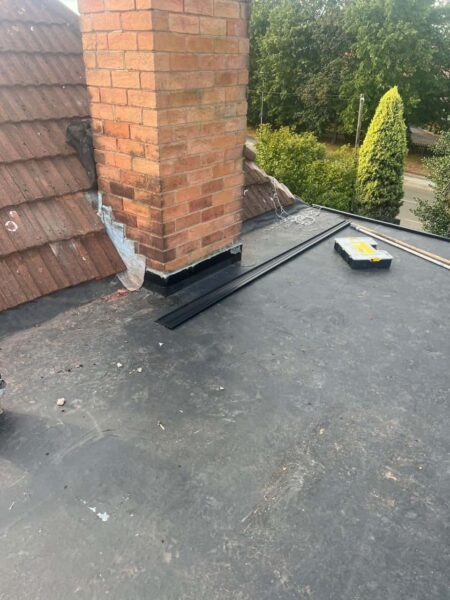
Leadwork refers to the use of lead sheets to seal joints, edges, and transitions on a roof. It is commonly installed around chimneys, valleys, roof junctions, and other areas where different surfaces meet.
These points are naturally more exposed to water penetration, making effective sealing essential for maintaining the integrity of the roof.
Why Lead Is Used
Lead has been used in roofing for many years due to its unique properties. It is highly durable, resistant to weather, and flexible enough to be shaped to fit complex areas.
This flexibility allows it to form a tight seal around joints and edges, ensuring that water is directed away from vulnerable parts of the roof.
Protecting High-Risk Areas
Certain parts of a roof are more prone to leaks than others. Areas such as chimneys, valleys, and roof intersections require additional protection because they handle large amounts of water flow.
Leadwork acts as a barrier in these locations, preventing water from seeping into the structure beneath the roof covering.
Preventing Water Ingress
Without properly installed leadwork, even a well-maintained roof can develop leaks. Gaps or poorly sealed joints allow water to enter, which can lead to damp, structural damage, and further deterioration.
For properties in Newport Pagnell, Buckinghamshire, effective leadwork is essential for maintaining a watertight roofing system.
Longevity and Reliability
One of the key advantages of leadwork is its long lifespan. When installed correctly, it can provide reliable protection for many years without significant degradation.
This long-term performance makes it a dependable solution for preventing leaks and maintaining the condition of the roof.
The Importance of Correct Installation
The effectiveness of leadwork depends heavily on how it is installed. It must be fitted securely and shaped accurately to ensure a proper seal.
Poor installation can lead to gaps, movement, or premature wear, reducing its ability to prevent leaks. Professional expertise is essential to ensure that the leadwork performs as intended.
Signs of Leadwork Issues
Over time, leadwork may show signs of wear or movement. This can include visible gaps, lifting edges, or signs of water ingress around key areas.
Identifying these issues early allows for timely repairs, helping to maintain the overall performance of the roof.
Professional Leadwork Services
Working with lead requires skill and experience. Proper installation ensures that it integrates seamlessly with the rest of the roofing system.
At CGT Roofing Newport Pagnell, we provide expert leadwork services, ensuring that all critical areas of your roof are properly sealed and protected.
Conclusion
Leadwork is an essential part of any roofing system, providing protection in areas most vulnerable to leaks. Its durability, flexibility, and long-term reliability make it a key component in maintaining a watertight roof.
For homeowners in Newport Pagnell, Buckinghamshire, ensuring that leadwork is correctly installed and maintained is vital for preventing water ingress and protecting your property.
If you have concerns about your roof or require professional leadwork services, CGT Roofing Newport Pagnell can provide expert advice and dependable solutions. Proper leadwork ensures your roof continues to perform effectively in all conditions.
Call us on: 01908 030 895
Click here to find out more about CGT Roofing Newport Pagnell
Click here to complete our contact form and see how we can help with your roofing needs.