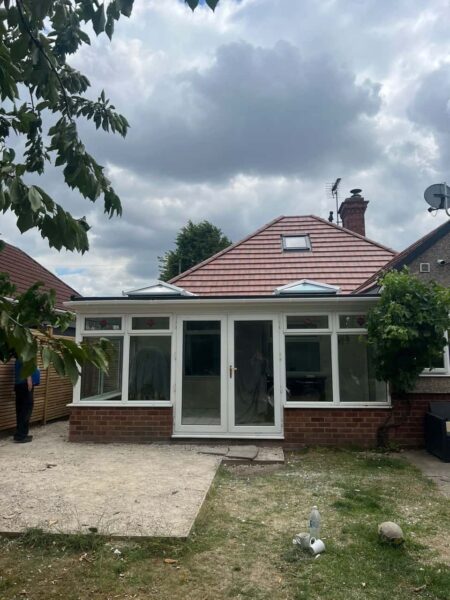
What Are the Warning Signs That a Garage Roof Is Starting to Fail?
Garage roof problems are not always obvious. A small split in a covering or a displaced tile may go unnoticed until water reaches the inside of the building. By this stage, moisture may already have affected the roof deck, supporting timbers or stored belongings.
Recognising early warning signs gives property owners an opportunity to arrange an inspection before the damage spreads. Whether a garage has a flat or pitched roof, changes to its surface, drainage or internal condition can indicate that repairs are needed.
Signs of a Deteriorating Garage Roof
A garage roof should be considered as a complete system. The external covering, joints, flashing, drainage and supporting structure must all work together to keep water out. A problem in any one of these areas can reduce the performance of the entire roof.
Water Stains Inside the Garage
Brown marks, damp patches and streaks on the ceiling or walls are common signs of water ingress. Moisture may also appear around roof joints, light fittings or the point where the roof meets an adjoining wall.
The visible mark does not always identify the location of the external defect. Water can travel along the roof deck or timber before dripping into the garage, so the surrounding area should be inspected rather than simply patching the surface directly above the stain.
Drips During or After Rainfall
Active dripping clearly indicates that the roof is no longer keeping water out. However, a leak that appears only during heavy or wind-driven rain may still be significant.
The timing of the leak can provide useful information. Water appearing immediately may suggest an open defect, while delayed dripping can indicate that moisture is collecting within the roof construction before entering the garage.
Cracks, Splits and Blisters on a Flat Roof
Flat garage roof coverings can deteriorate as they age and remain exposed to changing temperatures. Warning signs include surface cracks, open seams, splits around edges and bubbles or blisters beneath the covering.
A blister forms when moisture or air becomes trapped between layers. If it breaks, the roof may become directly exposed to water ingress. These defects should be assessed before they expand or affect the material around them.
Standing Water That Does Not Drain Away
Water remaining on a flat roof for an extended period may indicate blocked outlets, inadequate falls or movement within the roof deck. Persistent pooling places additional pressure on seams, joints and low sections.
It can also expose small weaknesses that are not noticeable in dry conditions. Drainage should therefore be checked as part of any garage roof assessment, rather than treating the resulting leak as an isolated problem.
Loose, Cracked or Missing Tiles
Pitched garage roofs rely on overlapping tiles or slates to direct water towards the gutters. A cracked, slipped or missing covering can leave the underlay exposed and create a route for moisture.
Nearby tiles should also be examined. One displaced tile may indicate deteriorated fixings, damaged battens or movement elsewhere in the roof. Replacing the visible item without checking its surroundings may fail to address the wider issue.
Damaged Flashing and Roof Junctions
Flashing protects areas where the garage roof meets a wall, chimney, pipe or another roof surface. These junctions are particularly vulnerable because different materials meet and move in slightly different ways.
Cracked, lifted or poorly sealed flashing can allow water beneath an otherwise serviceable covering. Dampness concentrated near a wall or roof penetration may indicate that one of these details is failing.
Sagging or Uneven Roof Sections
A visible dip, bow or sag in the roofline should be investigated promptly. It may indicate weakened decking, deterioration in supporting timbers or the prolonged weight of retained water.
Structural movement can also affect the surface covering by pulling joints apart or creating new low points. Avoid placing weight on a roof that appears uneven or unstable, and arrange a professional inspection.
Damp, Soft or Decaying Timber
Where the underside of the roof is visible, check for discolouration, softness, splitting or a persistent damp smell. These signs may indicate that water has been entering for some time.
Timber deterioration can remain localised initially but may spread if the moisture source continues. Repairing the external defect and assessing the affected structure are both important.
Rust, Corrosion or Deteriorating Fixings
Metal garage roofs and their fixings can deteriorate where protective finishes become damaged. Rust around sheet joints, screw heads or edges may eventually allow water to penetrate.
Corrosion can also weaken the connection between the roof covering and its supports. Early attention can help determine whether individual components can be repaired or whether a larger section requires work.
Recurring Moss, Debris and Blocked Gutters
Moss and accumulated debris can retain moisture and restrict the movement of rainwater. Blocked gutters may overflow against fascia boards, walls or roof edges, causing dampness that appears to be a roof leak.
Cleaning drainage routes can resolve some issues, but repeated blockages or deterioration around the edges may require further repair. The condition of the guttering and roof covering should be considered together.
Repeated Repairs in Different Areas
A garage roof that continues to leak after several localised repairs may be experiencing more general deterioration. New splits, recurring dampness or defects appearing in different places can indicate that the covering or supporting materials are no longer performing reliably.
This does not automatically mean that the entire roof needs replacing. A professional assessment can establish whether further targeted repairs remain appropriate or whether more extensive work is needed.
Why an Early Inspection Matters
Minor garage roof defects can allow moisture to reach concealed materials before the problem becomes obvious. Early assessment helps identify the source of the damage and limits the risk of deterioration spreading.
A professional roofer can examine the covering, drainage, flashing, edges and accessible structure. This provides a clearer basis for choosing a repair that addresses the cause rather than only hiding the symptoms.
Conclusion
Warning signs of garage roof failure include water stains, active leaks, cracked coverings, standing water, damaged flashing, loose tiles and sagging sections. Persistent dampness or repeated defects also suggest that the roof needs a thorough assessment.
CGT Roofing Newport Pagnell provides professional garage roof inspections and repairs in Newport Pagnell, Buckinghamshire. If you have noticed signs of deterioration, contact the team to arrange an assessment and determine the most suitable repair.
Call us on: 01908 030 895
Click here to find out more about CGT Roofing Newport Pagnell
Click here to complete our contact form and see how we can help with your roofing needs.