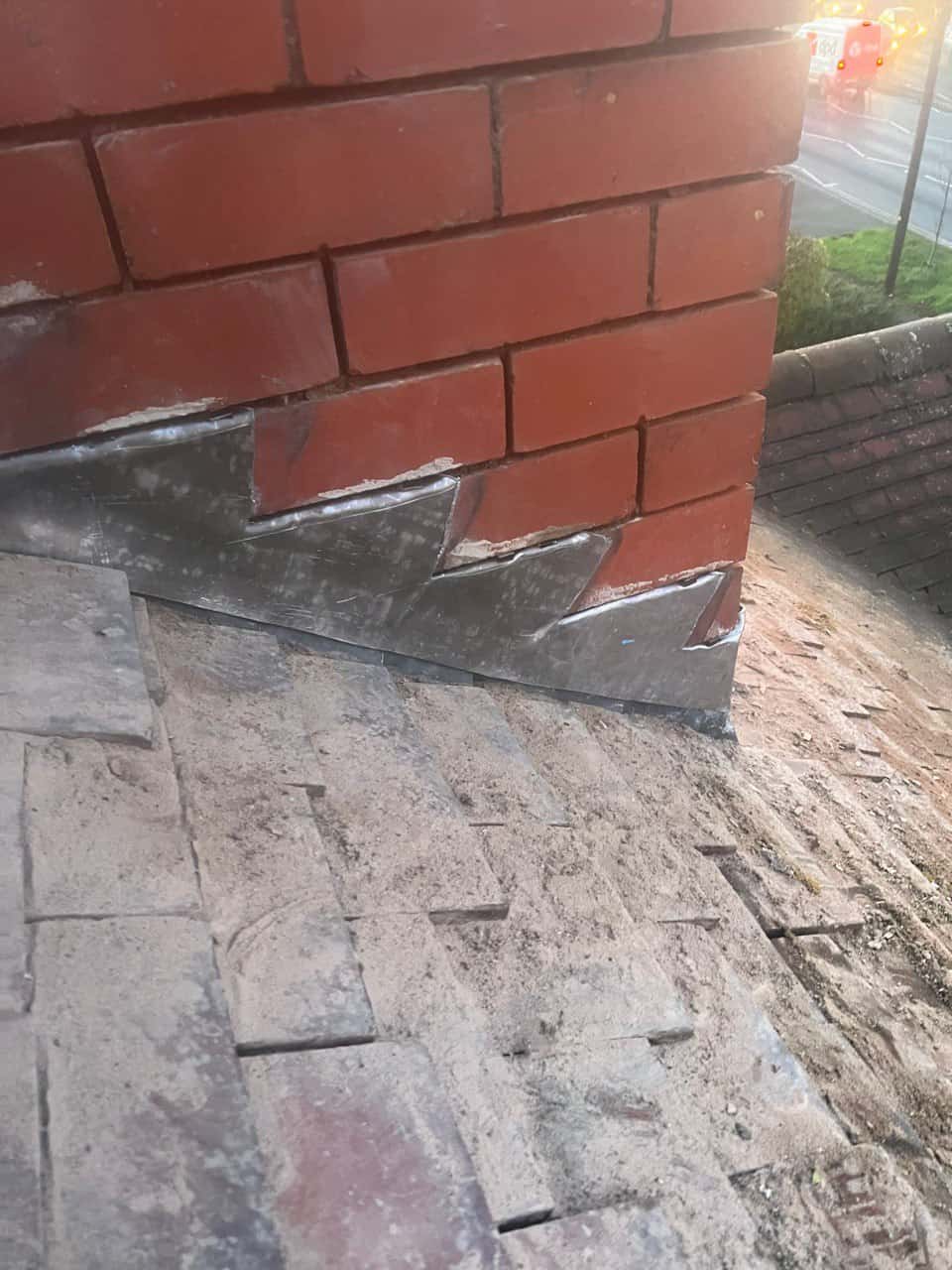
One Missing Tile, One Exposed Roof: Why a Small Repair Can Matter So Much
A single missing roof tile can look like a relatively minor defect, particularly when the rest of the roof appears to be in good condition. It can be tempting to assume that one small gap is unlikely to cause much trouble. However, roof coverings are designed to work as a complete system, and when even one tile is displaced or missing, the area beneath can become more exposed to rainfall and changing weather conditions.
For homeowners in Newport Pagnell, Buckinghamshire, dealing with a missing tile promptly can help keep a small roofing defect from developing into a larger repair. The important consideration is not simply the size of the missing tile, but what the opening may now allow weather to reach.
Why Does One Missing Roof Tile Matter?
Tiles are arranged so that rainfall is directed safely down the roof and away from the materials beneath. Each tile forms part of this overlapping protective covering.
When one tile disappears, that continuity is interrupted.
Depending on its location and the construction of the roof, the resulting opening may leave underlying areas more vulnerable. Wind-driven rain can reach places that would normally remain protected, while neighbouring tiles may also become more exposed.
A missing tile is therefore worth viewing as a break in the roof’s outer weather protection rather than simply a cosmetic imperfection.
How Do Roof Tiles Become Missing?
A tile can become displaced for several reasons. Sometimes the cause is relatively straightforward, while in other situations the missing tile provides the first visible indication that part of the roof needs closer attention.
Possible causes include:
- Strong winds and difficult weather
- Deteriorated fixings
- Ageing roofing materials
- Previous damage
- Movement within a localised section
- Weakness around neighbouring tiles
- Deterioration following earlier roofing work
Understanding why the tile came away matters because replacing it without checking the surrounding area could overlook another developing defect.
A Small Opening Can Let Rain Reach Vulnerable Areas
Rainfall does not need a large hole to find its way into a roofing system.
When a tile is missing, rain can potentially reach the layers beneath the main covering. Wind can make the situation more significant by driving rainfall beneath surrounding tiles and into areas that would usually remain protected.
The effects may not become immediately visible inside the property.
A roof can experience water ingress before a homeowner notices an obvious ceiling stain. This is one reason waiting for internal dampness is not the best way to decide whether a missing tile needs repairing.
Why You Should Not Wait for the Roof to Start Leaking
A common assumption is that if there is no visible leak, the missing tile is not yet causing a problem.
However, an internal leak is a symptom that water has already travelled beyond the outer roof covering.
Moisture can sometimes move through or along parts of the roof construction before appearing inside. The location of a damp patch may therefore be different from the original point of entry.
Repairing a missing tile before obvious water ingress develops helps restore the protective covering at an earlier stage.
Could One Missing Tile Lead to More Slipped Tiles?
Potentially, which is why the surrounding roof should be checked.
The neighbouring tiles may be completely sound, in which case replacing the missing tile could remain a straightforward local repair. However, if the original tile became displaced because fixings or nearby materials have deteriorated, additional tiles could also be vulnerable.
This is particularly worth investigating after difficult weather.
A professional inspection can determine whether the missing tile is genuinely an isolated defect or whether nearby coverings also require attention.
The Position of the Missing Tile Can Affect the Risk
Not every part of a roof experiences exactly the same conditions.
A missing tile near a junction, roof edge or another vulnerable detail may have different implications from damage elsewhere on the roof.
Rather than judging the seriousness of the problem purely by the size of the opening, the location and surrounding roof condition should also be considered.
Professional assessment provides a clearer picture of how exposed the affected area has become and what repair is required.
What If the Underlying Roofing Material Is Still Intact?
Materials beneath the tiles provide additional protection within the roofing system, but they should not be treated as a substitute for the main roof covering.
The outer tiles are designed to manage the majority of rainfall before it reaches the layers underneath.
Leaving an area exposed simply because underlying materials appear intact can place unnecessary demands on parts of the roof that were not intended to remain directly exposed for prolonged periods.
Replacing the missing tile restores the roof covering to the way it is intended to function.
Why Early Tile Repairs Are Often Worthwhile
The advantage of acting early is that the problem may still be genuinely localised.
If one tile is missing, surrounding coverings remain secure and no further deterioration has occurred, the necessary work may remain focused on a small area.
Allowing the defect to remain exposed creates an opportunity for the situation to change.
Continued rainfall, wind and weathering can affect the vulnerable section, while nearby tiles may potentially become less secure if there is an underlying issue.
Early assessment helps determine what is needed while the problem is still relatively contained.
Missing Tiles Following Bad Weather Need Attention
After strong winds, it is worth visually checking the roof from a safe position at ground level.
Signs of possible damage can include:
- An obvious gap in the roof covering
- Tiles or fragments found around the property
- Tiles that appear to have moved
- Uneven sections that were not previously visible
- Newly developed internal dampness
- Damage around ridges or roof junctions
If one tile has been blown away, it is sensible to check whether neighbouring tiles have also moved.
A tile does not need to fall completely from the roof to require attention.
Avoid Climbing Onto the Roof Yourself
A missing tile may look straightforward to replace, but working at roof height involves significant risk.
There is also the possibility of causing additional damage by walking across unsuitable parts of the roof or disturbing neighbouring materials.
A professional roofer can access the affected area appropriately, inspect surrounding tiles and determine why the defect occurred.
This provides an opportunity to repair the problem rather than simply placing a replacement tile into the visible gap without understanding its cause.
What Should Be Checked Around a Missing Tile?
A good repair assessment should consider more than the empty space.
The surrounding area can provide useful information about whether the problem is isolated.
Relevant checks may include:
Neighbouring tiles
Are they intact and securely positioned?
Fixings
Is there evidence that deterioration contributed to the tile becoming displaced?
Surrounding roof covering
Are there cracks, movement or other defects nearby?
Underlying area
Has exposure resulted in any additional deterioration requiring attention?
Wider roof condition
Is this the only defect, or are similar problems beginning to appear elsewhere?
These checks help ensure that the repair addresses the actual problem.
When Is a Missing Tile Part of a Larger Roofing Issue?
One missing tile does not automatically indicate that the entire roof is deteriorating.
Concern increases when the defect forms part of a wider pattern.
For example, further assessment is particularly useful when:
- Several tiles have recently slipped
- New defects keep appearing
- The roof has numerous previous repair areas
- Water ingress has become recurring
- Surrounding tiles are visibly deteriorating
- Different sections of the roof are requiring frequent attention
In these circumstances, replacing one tile may still be necessary, but it may not represent the complete roofing solution.
Can a Small Repair Help Avoid More Extensive Work?
When a missing tile is genuinely an isolated defect, prompt repair can restore the affected section before prolonged exposure creates additional concerns.
This is one of the reasons routine roof repairs are valuable.
Roofing work does not always need to involve major intervention. Addressing individual defects at the appropriate time can help maintain a roof that remains otherwise serviceable.
The key is distinguishing between an isolated problem and one that reflects broader deterioration.
When Might More Extensive Roof Repairs Be Required?
If inspection reveals that several neighbouring tiles are damaged or the affected section has experienced additional deterioration, a broader repair may be more appropriate.
Similarly, if repeated tile problems are occurring across an ageing roof, its overall condition should be considered.
The objective should always be proportionate work.
A sound roof with one damaged area should not automatically be treated as though it needs complete renewal. Equally, a deteriorating roof should not be subjected to endless individual repairs if the problems are clearly becoming widespread.
Why Professional Diagnosis Adds Value
The visible problem is simple: a tile is missing.
The more useful question is why it is missing and what condition the surrounding roof is in.
At CGT Roofing Newport Pagnell, we provide professional roof repairs and new roofing services throughout Newport Pagnell, Buckinghamshire. When dealing with missing, slipped or damaged tiles, assessing the surrounding roof helps establish whether a targeted repair is sufficient or whether another issue also requires attention.
This approach ensures that the work is based on the actual condition of the roof rather than the appearance of one visible defect.
Do Not Underestimate Small Roofing Defects
Some of the most manageable roofing repairs begin as defects that are easy to overlook.
One missing tile may not seem urgent when compared with a major leak or extensive storm damage, but leaving an exposed section unnecessarily increases the opportunity for weather to affect the roof.
The value of early repair lies in restoring the roof’s protection while the problem remains small.
Conclusion
One missing roof tile can matter considerably because it creates a break in the protective covering designed to keep rainfall away from the materials beneath. Although the defect may be localised, continued exposure can allow water to reach vulnerable areas, while the reason the tile became displaced may also affect neighbouring coverings.
Prompt professional assessment can establish whether replacing the missing tile is all that is required or whether surrounding areas also need attention. When the rest of the roof remains sound, a relatively small repair can play an important role in maintaining its overall performance.
For homeowners in Newport Pagnell, Buckinghamshire, CGT Roofing Newport Pagnell provides professional roof repairs and new roofing solutions. If you have noticed a missing or slipped tile, contact us to arrange an assessment and restore the affected area before a small opening has the opportunity to become a larger roofing problem.
Call us on: 01908 030 895
Click here to find out more about CGT Roofing Newport Pagnell
Click here to complete our contact form and see how we can help with your roofing needs.